Schools Closed Tomorrow: What You Need To Know - School Closings Will Your Child's School Be Closed Tomorrow? During closures due to health concerns, maintaining good hygiene practices is crucial. The World Health Organization (WHO) recommends:
School Closings Will Your Child's School Be Closed Tomorrow?
For students, the disruption of their daily routine can lead to confusion and anxiety. Parents may also face challenges in arranging alternative childcare or adjusting work schedules.
In conclusion, understanding why schools close tomorrow and how to prepare for such events is essential for maintaining stability in both educational and family environments. By staying informed, creating backup plans, and leveraging technology, you can ensure that disruptions are minimized.
Ensure you have enough educational materials and supplies at home to support remote learning if needed.
Tools like Zoom, Microsoft Teams, and Google Meet facilitate virtual classrooms, allowing teachers to continue instruction remotely.
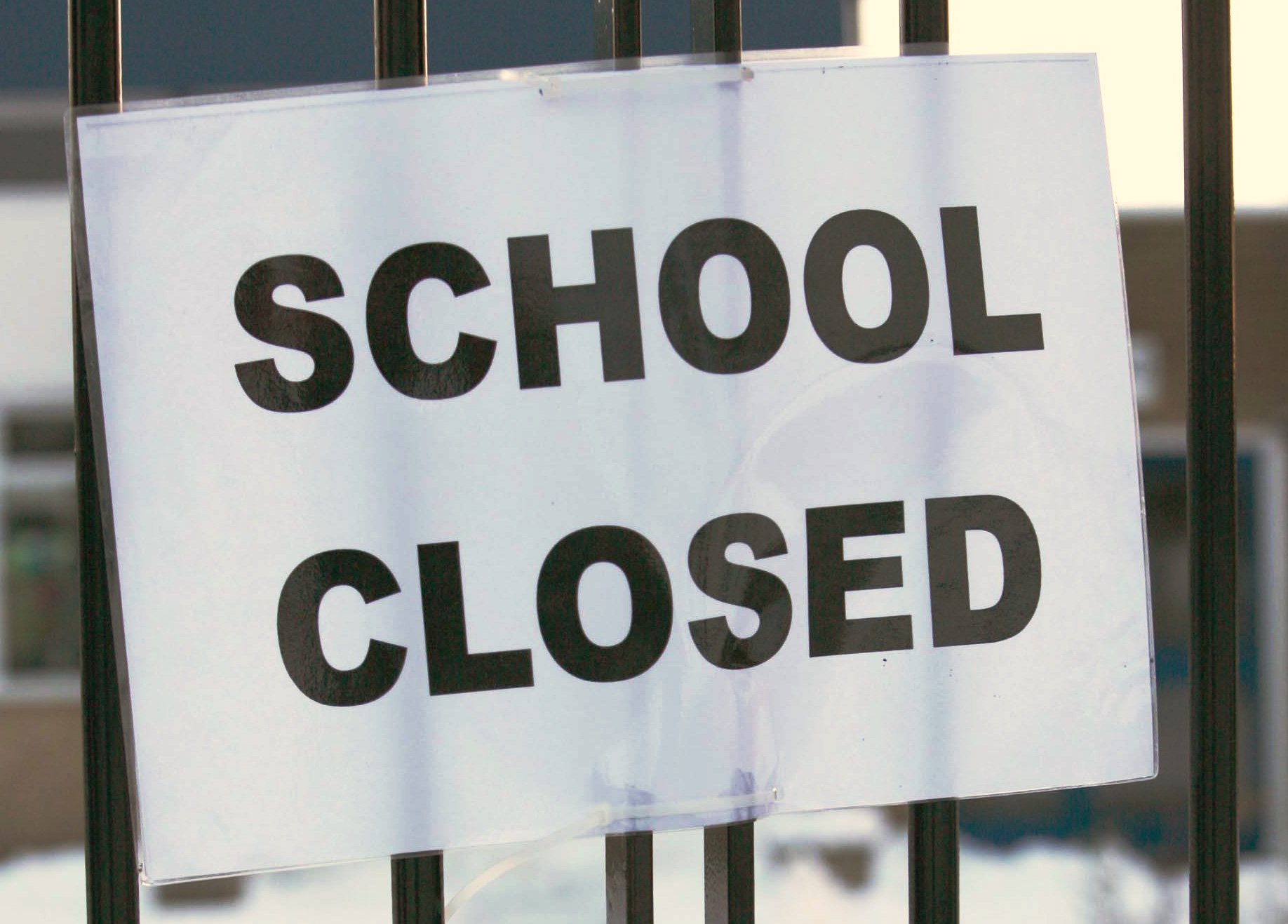
Extreme weather events such as snowstorms, hurricanes, or heatwaves often lead to school closures. These conditions can pose significant risks to student safety during transportation and outdoor activities.
Many districts require schools to make up for lost instructional days, either by extending the school year or adjusting the calendar.
Continuing education during closures is essential. Here's how you can support your child's learning:
In this comprehensive guide, we will explore the various factors that lead to schools being closed tomorrow, how parents and students can stay updated, and practical tips for managing unexpected disruptions. Let's dive in!
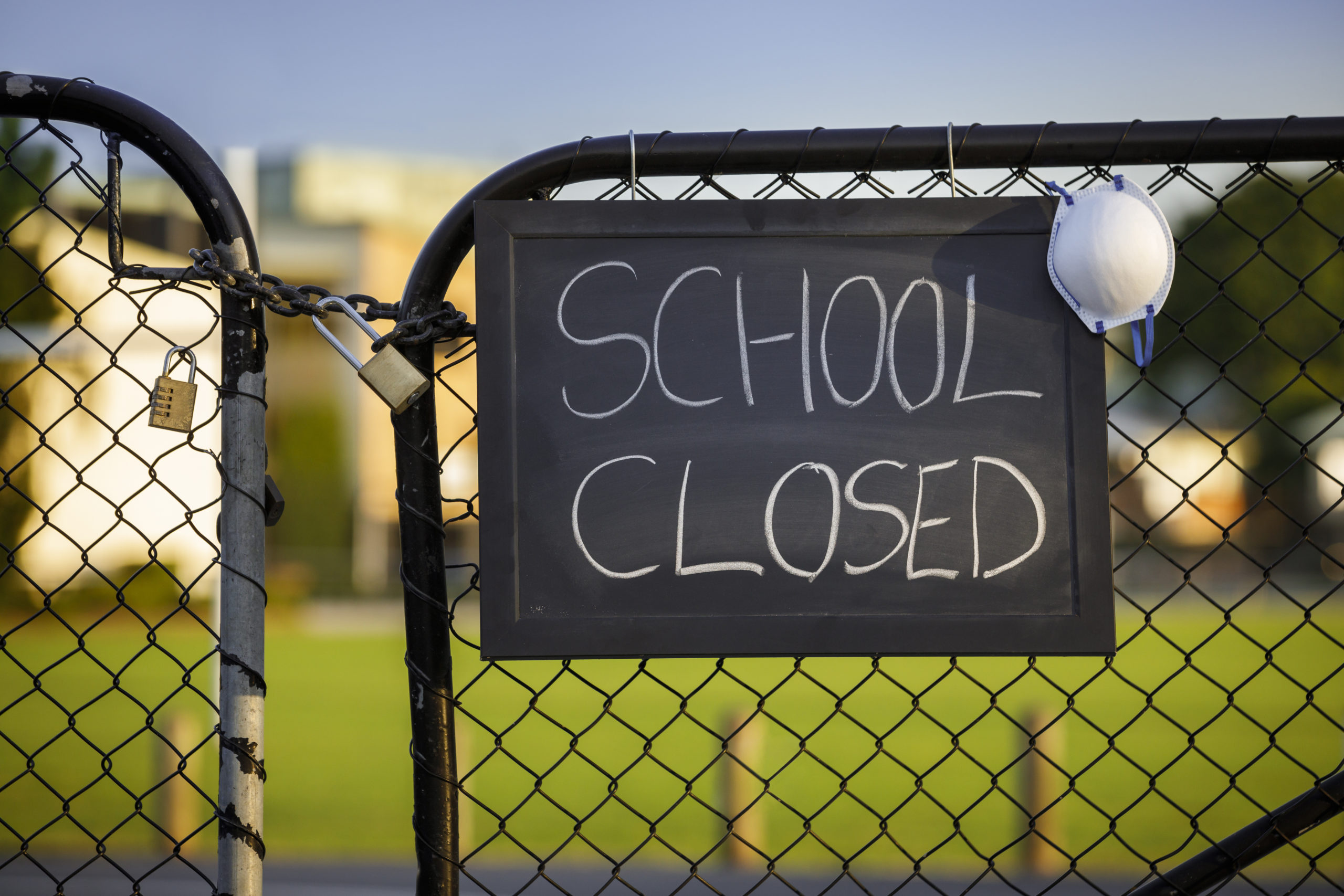
Outbreaks of contagious diseases, such as the flu or more severe pandemics, may necessitate temporary school closures to prevent the spread of illness. According to the Centers for Disease Control and Prevention (CDC), timely closures can help reduce transmission rates.
Students with special needs may be entitled to additional support during closures to ensure they receive a free appropriate public education (FAPE).
Education systems worldwide are constantly adapting to new challenges, and school closures are just one aspect of this dynamic environment. From pandemics to natural disasters, school closures have become more frequent in recent years. Knowing the reasons and being proactive can help mitigate the impact on both academic progress and family routines.